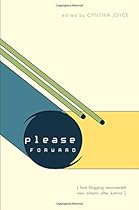
Please Forward: How Blogging Reconnected New Orleans After Katrina
| Author | : | |
| Rating | : | 4.92 (797 Votes) |
| Asin | : | 1608011089 |
| Format Type | : | paperback |
| Number of Pages | : | 394 Pages |
| Publish Date | : | 2013-12-15 |
| Language | : | English |

DESCRIPTION:
"and the destruction of much of this beautiful and vibrant city 10 years ago" according to Kay. We all remember Katrina, and the destruction of much of this beautiful and vibrant city 10 years ago. My nephew lived there but got out before it hit. And then we waited, and then we watched in horror, the ferocity of that storm and it's aftermath. But our memories fade with time. Please Forward reminded me. And reminded me in a way that made me understand how little I knew about this storm and it's effect on those who survived it. These voices are crucial to our understanding of the real story, not just the news story. Beautifully edited by Joyce, it's a must read for anyone who wants to know the anger, the humor. "Powerful and Engaging" according to Matthew. Powerful and engaging look at a dark period in our history. The collection of online essays, blog posts and comments paints a picture of the tragedy, the heartache and the ever present hope that was post-Katrina New Orleans. The selections by Cynthia Joyce bring the reader to places of sadness, despair, and angry, but also possibility, opportunity, love and hope. I recommend this to everyone who lives in America. I work in a middle school, and our students will be reading excerpts in their study of Modern American Society.. K. Evans said Pain, Outrage and Humor. I had family in New Orleans during Katrina and could feel some of the pain, outrage, and eventually defeat, that the storm engendered. However, not until reading Please Forward did I get the full sense of the personal tragedies and the strength of the people that allowed the city to rebuild. Through the blogging community, Joyce has captured the pain, outrage, and even humor that the storm visited on New Orleans. This is a fascinating book, told by those who lived it – worthwhile reading for all.
Cynthia Joyce has been a writer, editor, and web producer for more than 15 years and has contributed to several regional and national publications, including The Washington Post, Newsday, NPR, Entertainment Weekly, and MSNBC, where she was a senior producer from 2007-2011; Nola, where she worked briefly as a producer post-Katrina; and Salon, where she was arts and entertainment editor from 1995-2000. She lives in Oxford,
As an assemblage of mostly short Internet writings from the two years after natural disaster and official mismanagement devastated New Orleansthe most powerful will move readers to outrage."Kirkus Reviews. For survivors of Katrina, the collected blog posts will kick up raw memories, some cherished, some still harrowing. It's all here: the terror, the confusion, the compassion, the self-absorption, the posturing, the misinformation masquerading as insight above all the ties that held us together and made recovery possible".Jed Horne, Author of Breach of Faith, Hurricane Katrina and the Near Death of a Great American City"Most of us never got the real story of Hurricane Katrina. They are selfies shot against a backdrop of unprecedented catastrophe. The real story lies in these heartbreaking pages: stories of good people who built happy lives for themselves, watching those lives get ripped apart by 15 feet of toxic flood water. Pleas
When Cynthia Joyce went looking for one vital account for a course she was teaching, she found the site down and the piece forgotten. Some of the writing included is famous and easily obtainable; a good percentage of the work is currently unavailable due to aging servers and broken links. This inspired her search for the works that became Please Forward: How Blogging Reconnected New Orleans After Katrina. Taken together, these pieces are powerful testament to the New Orleans blogging community who proved the internet could function as a crucial platform in a time of crisis.. Much of the story of Hurricane Katrina lived on the internet as the city reconnected during its diaspora